Clean Commute reimagines transportation access.
Buffalo Niagara Medical Campus and Go Buffalo Niagara drive change through community partnerships.
As Buffalo continues building toward a cleaner, healthier, and more connected future, Clean Mobility Buffalo’s Clean Commute initiative is helping redefine what transportation access can look like across the East Side.
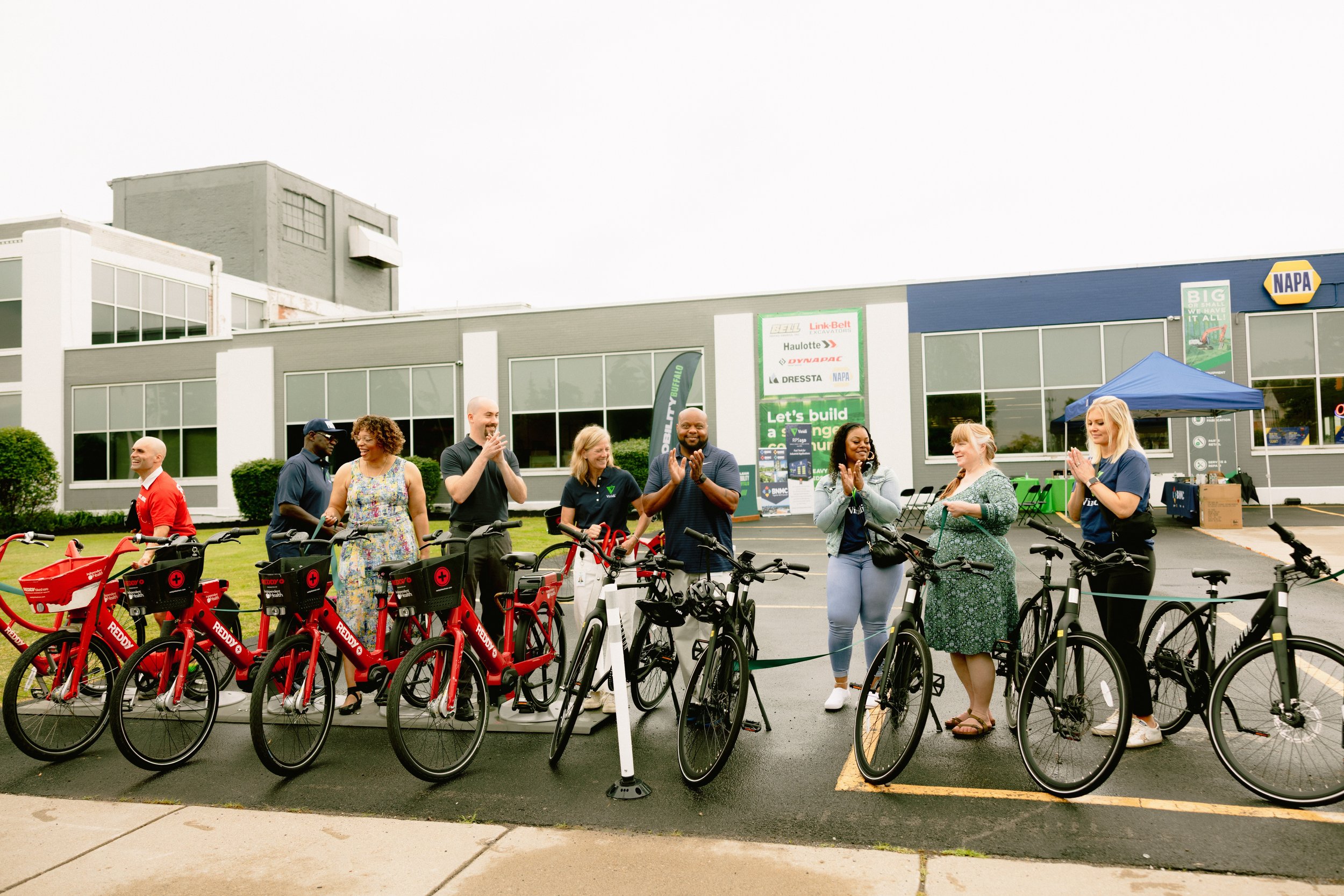
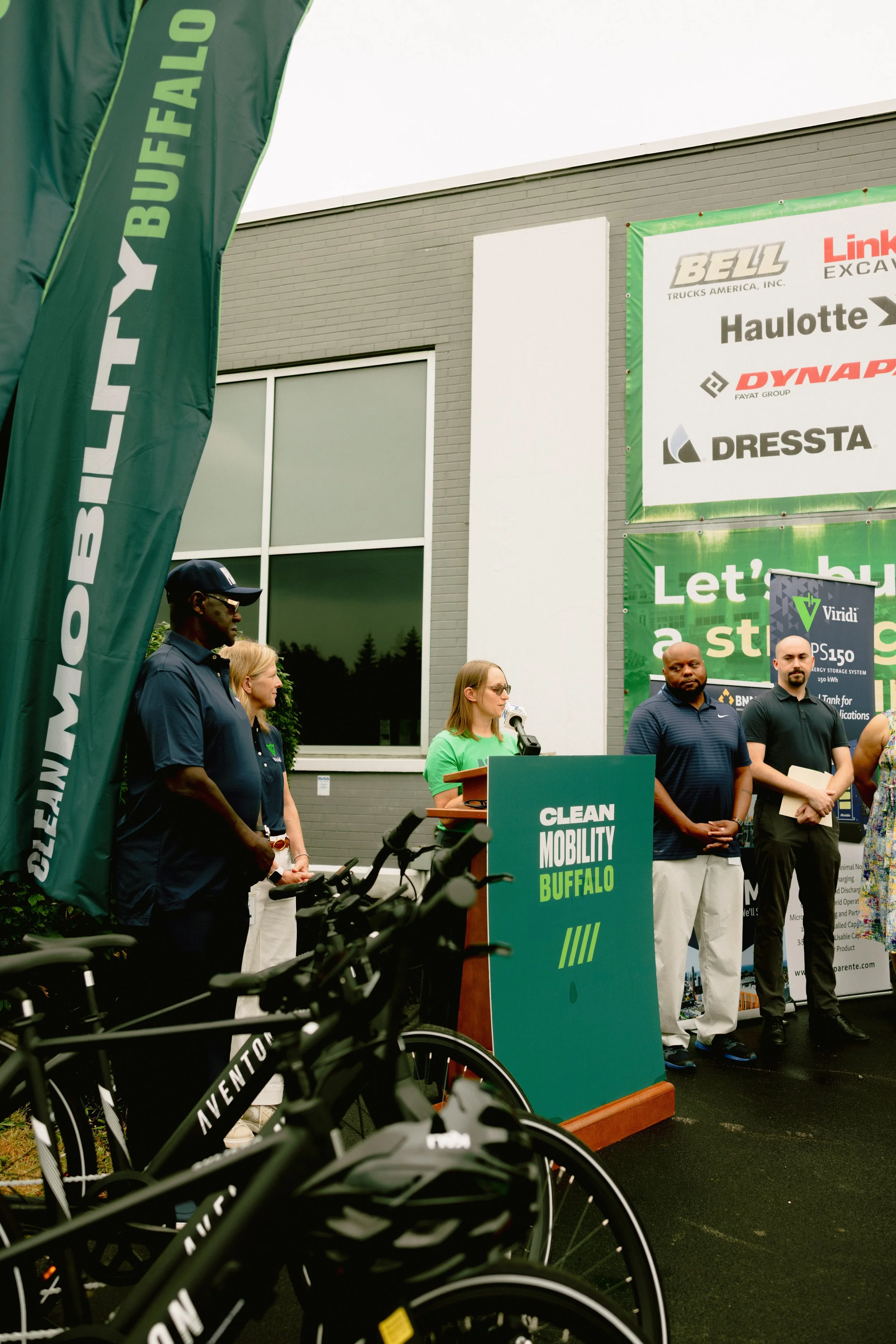
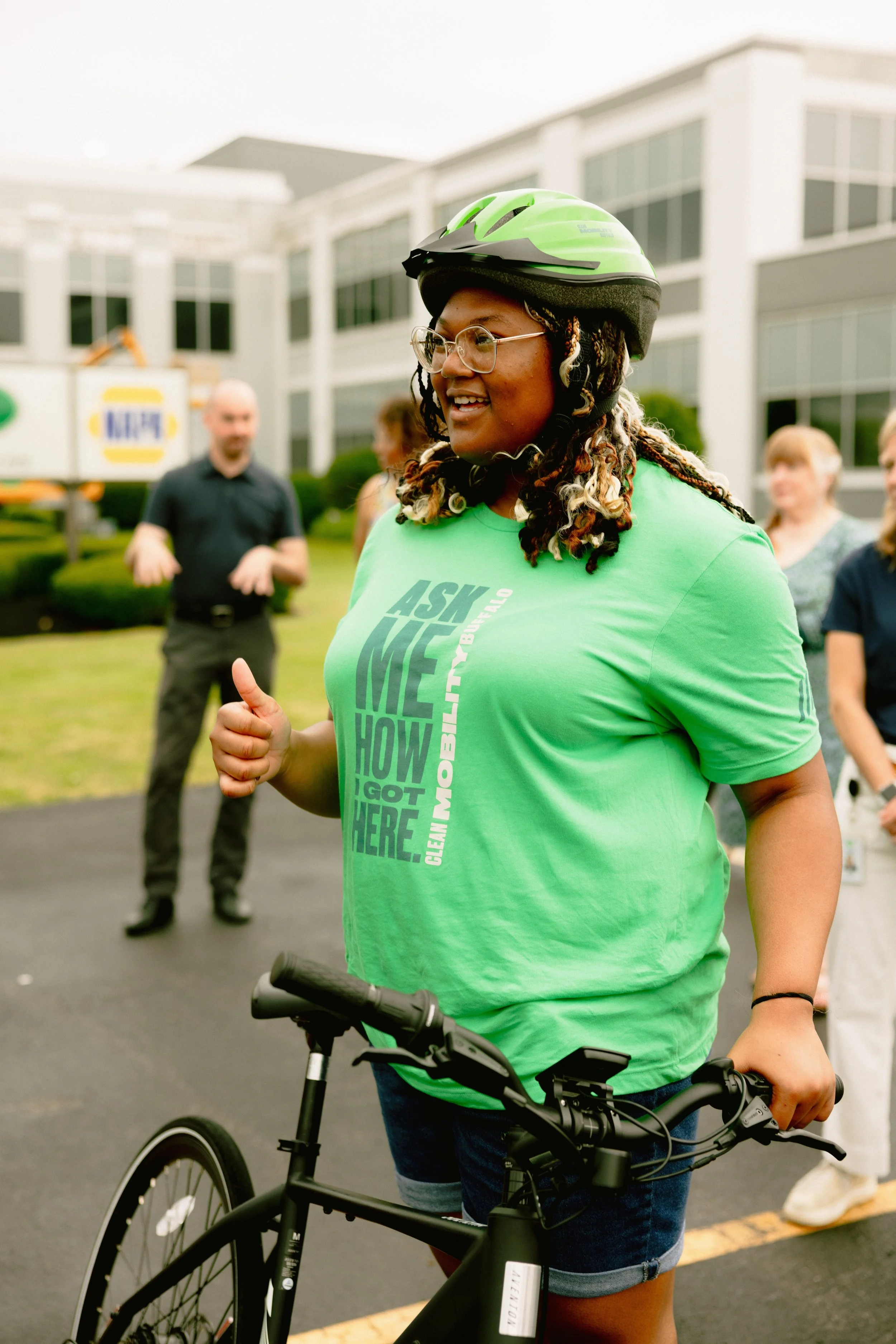
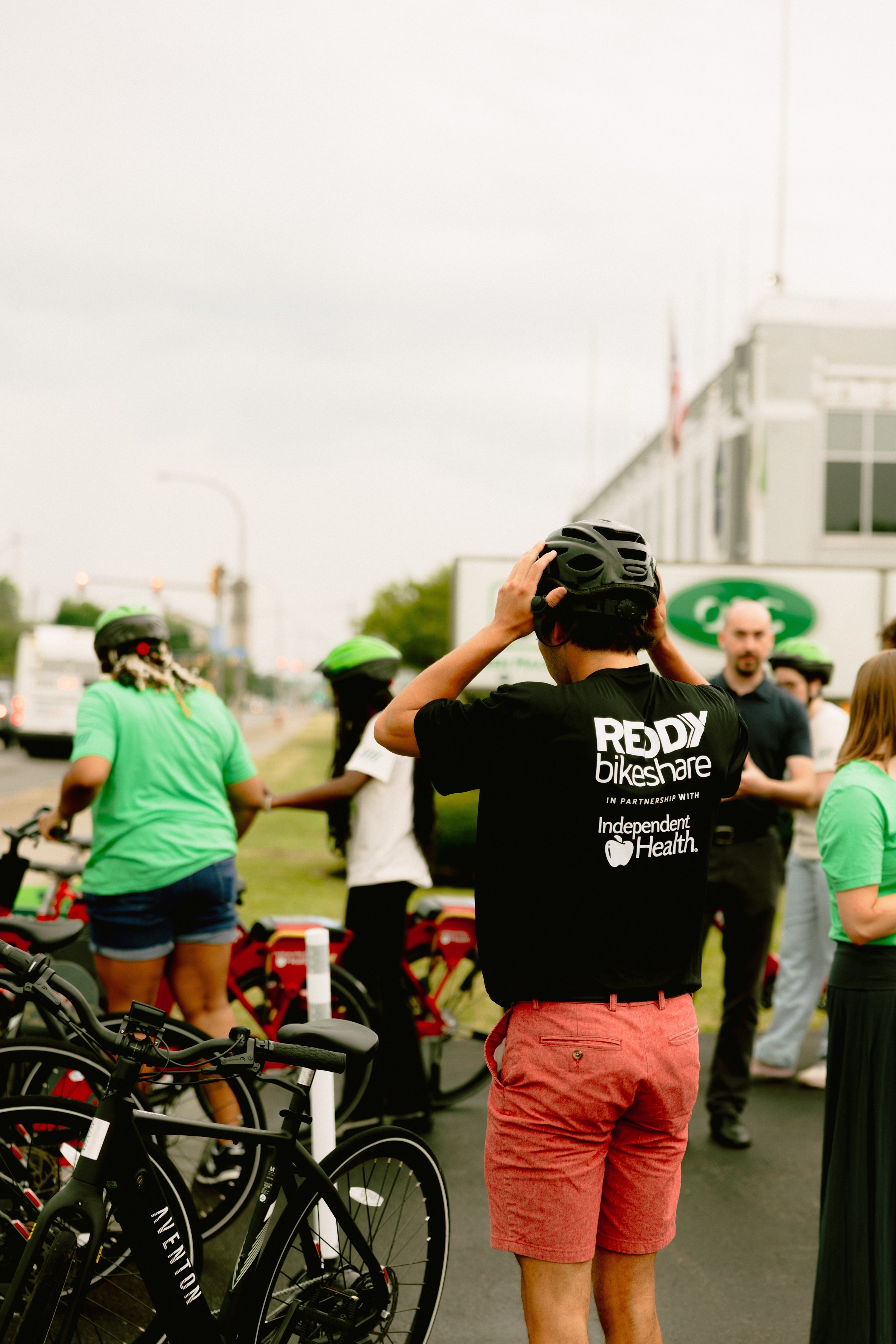
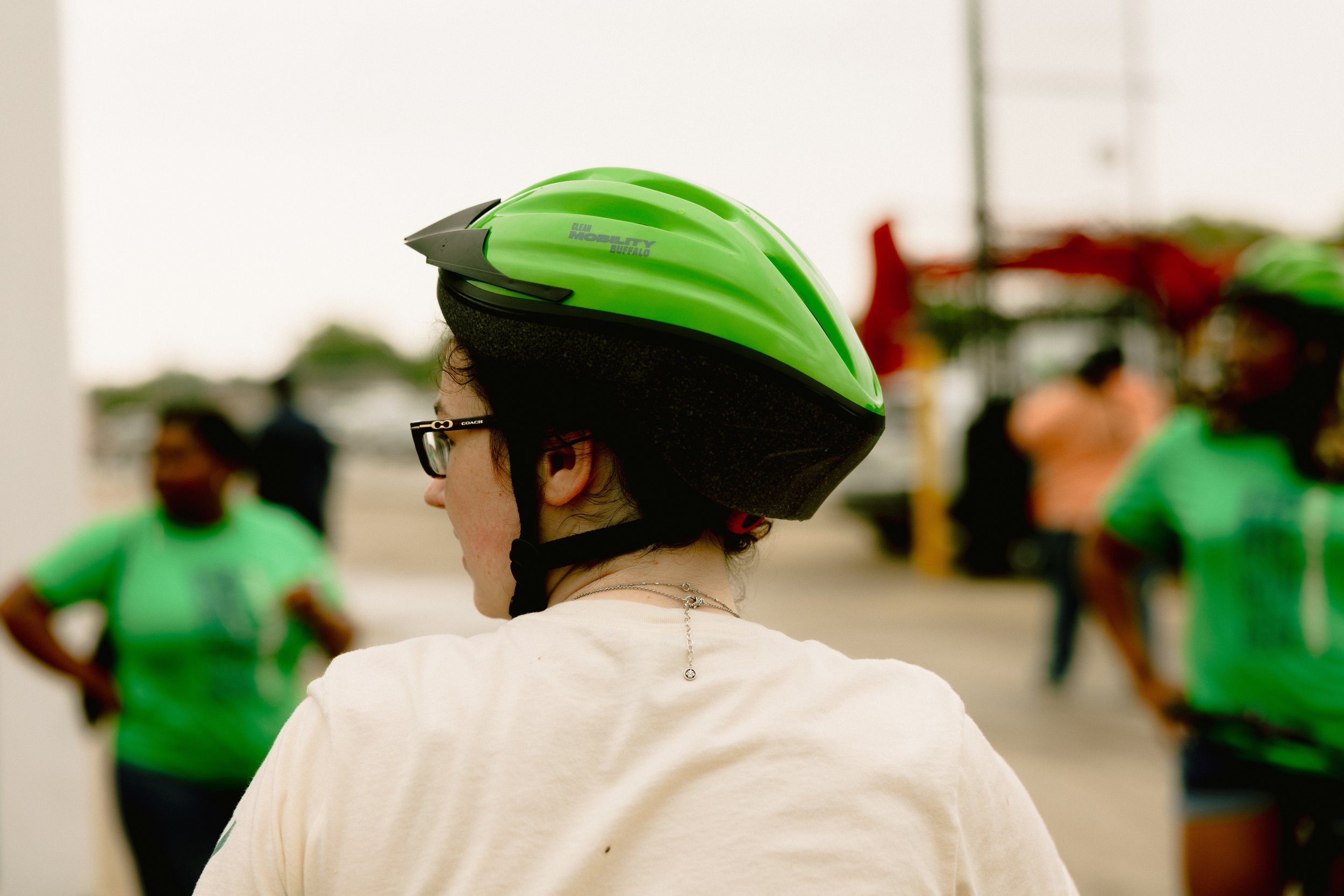
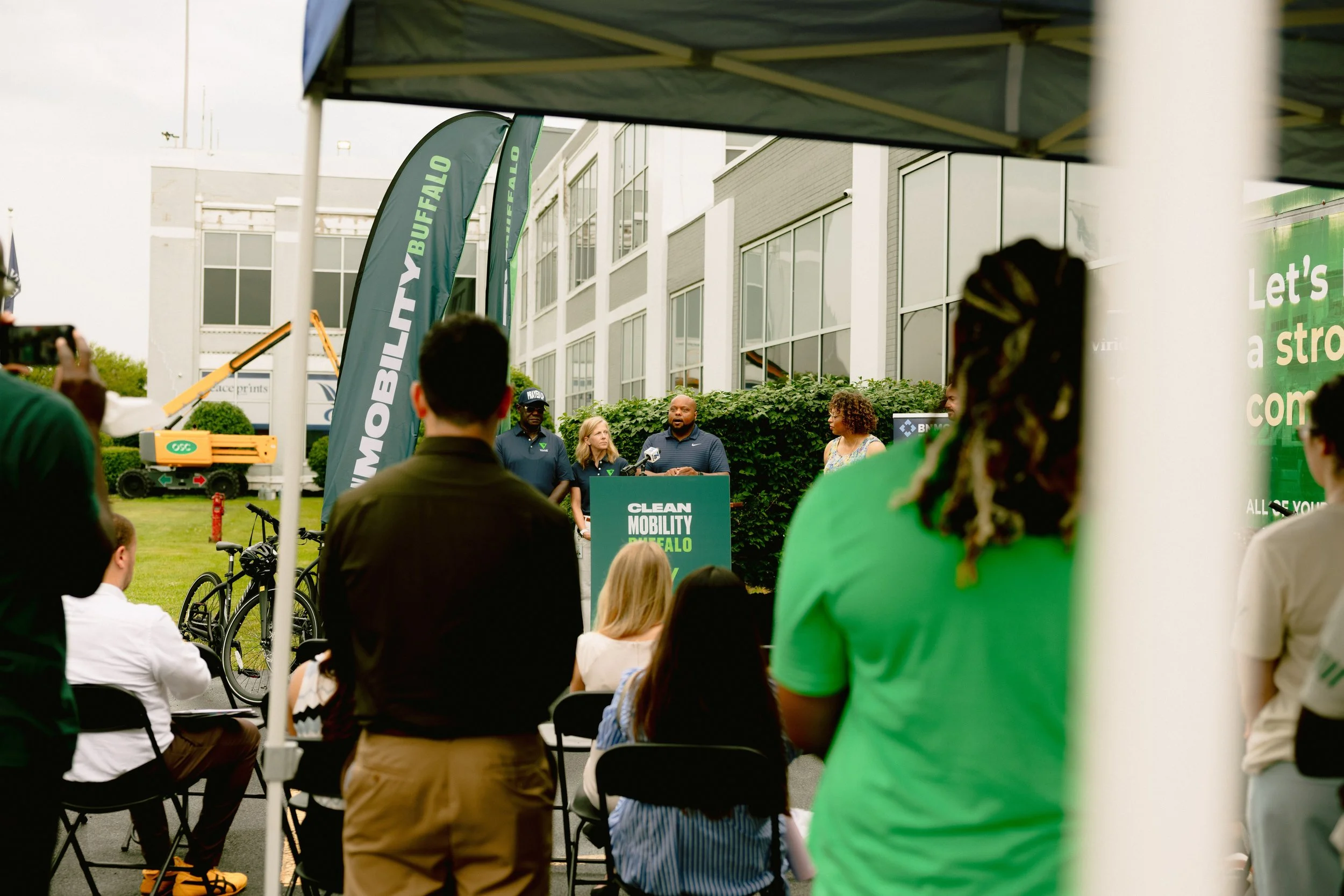
Led by the Buffalo Niagara Medical Campus (BNMC) in partnership with GO Buffalo Niagara, the initiative brings together major anchor institutions, from hospitals and universities to manufacturers and businesses, expanding access to sustainable transportation options for employees, students, visitors, and surrounding neighborhoods.
The work is an integral Clean Mobility Buffalo project, part of a a collaborative movement powered by community partnerships and supported through NYSERDA’s New York Clean Transportation Prizes Program. Focused first on Buffalo’s East Side, the initiative works to reduce greenhouse gas emissions while addressing longstanding transportation barriers that impact economic opportunity, health, and quality of life.
Through Clean Commute, six major organizations — Canisius University, Harmac Medical Products, Roswell Park Comprehensive Cancer Center, Viridi Parente/GreenForce, Kaleida Health, and Erie County Medical Center (ECMC) — implemented pilot transportation programs tailored to the unique needs of their workforce and surrounding communities.
The program’s impacts demonstrate how employers and institutions can play a transformative role in creating more equitable access to transportation.
Across the initiative, hundreds of employees and students participated in programs designed to make commuting easier, more affordable, and more sustainable. The project delivered free and subsidized transit passes, launched new carpooling incentives, expanded access to bikeshare and e-bikes, installed bike infrastructure, and introduced educational programming that helped residents better navigate public transit and active transportation options.
Many participating organizations exceeded their participation goals, while others reported measurable behavior changes among employees who began commuting by transit, biking, walking, or carpooling instead of relying solely on personal vehicles.
One of the initiative’s most innovative accomplishments came through Viridi Parente and GreenForce, which launched Buffalo’s first employer e-bike library and a self-sustaining e-bike and scooter microloan program. Employees could access low-interest loans for e-bikes and scooters through local bike shops, repaying the cost through payroll deductions. The effort helped multiple employees avoid purchasing vehicles entirely, while others began using micromobility as their primary way of getting to work.
At Roswell Park Comprehensive Cancer Center, a transit trial program distributed hundreds of free transit passes to employees while significantly increasing participation in the organization’s Corporate Pass Program. Roswell Park also launched an Active Commuter Program that rewarded employees for biking and walking to work, helping reduce carbon emissions while encouraging healthier commuting habits.
Canisius University expanded access to clean transportation through free Reddy Bikeshare memberships for students and staff, new bike parking infrastructure, and transportation information screens displaying real-time transit and bikeshare updates across campus. A campus-wide Bike Day celebration drew strong participation and helped introduce students to biking, transit, and other mobility resources available in the surrounding community.
Harmac Medical Products focused heavily on workforce accessibility and safety by implementing a carpool rewards program, installing new bike racks, improving pedestrian safety infrastructure, and hosting educational workshops tailored to shift workers and multilingual employees. The organization’s pilot carpool program demonstrated how sustainable transportation solutions can work effectively in manufacturing environments.
Kaleida Health and ECMC also launched transit incentive programs and commuter support services that helped employees explore alternatives to driving alone. Both organizations reported increased interest in public transportation and stronger engagement around employee wellness and sustainability initiatives connected to commuting.
Throughout the initiative, physical improvements helped create long-term community impact. New bike racks, transit information centers, bikeshare stations, lighting improvements, and educational resources established infrastructure that will continue serving East Side neighborhoods beyond the pilot programs themselves.
The project also revealed important lessons about how transportation programs can succeed when they are rooted in community needs. Fully subsidized transit options consistently generated the highest participation rates, while partnerships with organizations like GO Buffalo Niagara, GObike, NFTA, Reddy Bikeshare, East Side Bike Club, and community advocacy groups helped build trust and awareness around new commuting options.
Most importantly, the initiative demonstrated that transportation is deeply connected to economic mobility, workforce retention, public health, and environmental justice.
For many employees and residents, access to reliable transportation can determine whether opportunities feel reachable at all. By reducing transportation costs, improving commuting flexibility, and expanding access to sustainable options, Clean Commute is helping East Side institutions invest directly in the wellbeing of the communities they serve.
The momentum created through these programs continues to shape conversations about the future of transportation across Buffalo. Several organizations have committed to continuing or expanding their transportation initiatives, while many of the pilot programs are already serving as models for future replication across the region.
As Clean Mobility Buffalo continues advancing projects designed to reduce barriers and connect communities, Clean Commute stands as an example of what becomes possible when anchor institutions, community organizations, and residents work together toward a shared vision for a more equitable transportation future.